

Planning Dredging Projects in Washington Requires Local Expertise
Planning a dredging project in Washington is not a box-checking exercise. It is a process shaped by geography, environmental responsibility, and a regulatory framework that is more layered than in many other states. From tidal saltwater systems to inland lakes and fast-moving rivers, each project requires careful planning well before equipment reaches the water.
This is where the planning for the dredging project becomes critical. In Washington, projects often sit at the intersection of navigation needs, habitat protection, flood control, and community interests. A one-size-fits-all approach does not work here. The complexity of Washington waterways means successful outcomes depend on technical and local experience.
Washington Dredge Contractors has built its reputation by working within these realities every day. With hands-on experience across coastal, riverine, and inland sites, the team understands how local conditions shape timelines, costs, and compliance. That regional knowledge is what turns a difficult dredging project into a manageable one.
At Washington Dredge Contractors, this planning process is approached step by step, based on how dredging projects actually unfold in the field. This guide reflects the sequence our team follows to evaluate conditions, navigate permitting, select methods, and prepare projects for execution across Washington waterways.
Step 1: Understanding Washington Waterways and Regional Dredging Challenges
Washington is defined by water. Its economy, environment, and communities depend on a wide range of interconnected systems, each presenting unique dredging challenges.
Puget Sound and Coastal Harbors
Puget Sound supports commercial shipping, ferry routes, marinas, and naval facilities. Tidal influence, fine sediments, and sensitive marine habitats require careful coordination. In these environments, dredging management must balance navigation needs with water quality and species protection.
Columbia River Navigation Corridors
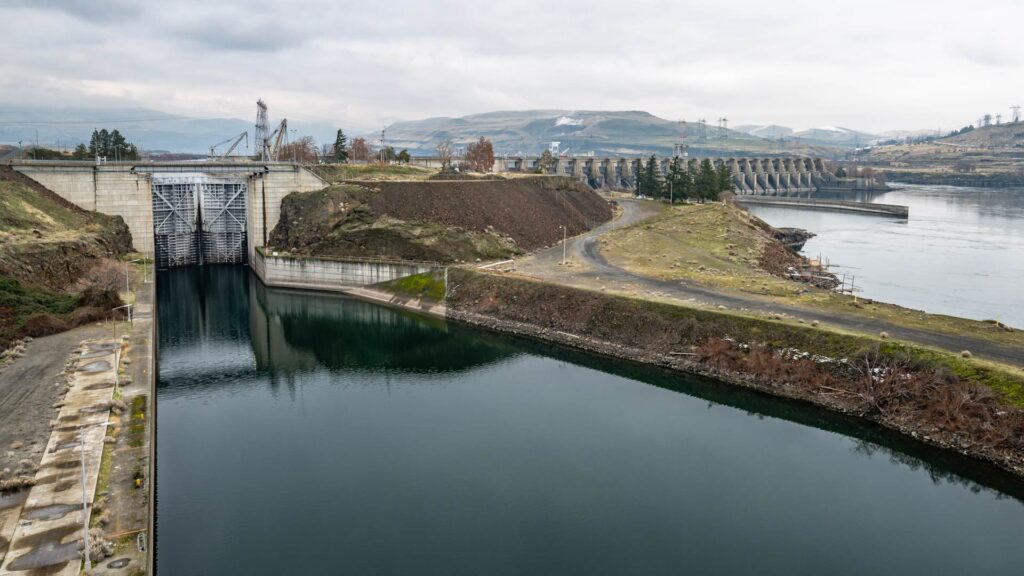
The Columbia River is a working river. It supports cargo traffic, hydropower, irrigation, and flood control. Sedimentation patterns change seasonally due to snowmelt and variations in upstream flow. Effective dredging project planning along this corridor means accounting for current velocity, disposal logistics, and coordination with multiple jurisdictions.
Lake Washington and Inland Lakes
Urban lakes, such as Lake Washington, and smaller inland systems face distinct pressures. Stormwater runoff, shoreline development, and recreational use all affect sediment buildup. These Washington waterways often demand precise methods to minimize disruption to surrounding neighborhoods.
Sedimentation Patterns and Regional Factors
Heavy rainfall west of the Cascades, snowmelt from eastern mountain ranges, and tidal movement all influence how sediment accumulates. As a result, dredging management strategies must vary based on whether the project involves saltwater, freshwater, or a transitional system.
Step 2: Define Clear Project Goals Based on Local Waterway Use
Every successful dredging project starts with a clear understanding of purpose. In Washington, goals are often tied directly to how the waterway is used.
Common Washington Dredging Objectives
Ports and marinas rely on dredging to maintain safe depths for vessels. River-adjacent communities rely on dredging to reduce flood risk. Environmental agencies and landowners may pursue dredging to support habitat restoration or shoreline stabilization.
Defining these goals early helps guide dredging project planning decisions related to depth, volume, timing, and disposal.

Aligning Scope and Expectations
Washington Dredge Contractors works closely with clients to translate objectives into a realistic project scope. Whether the focus is navigation, flood mitigation, or ecological improvement, early alignment reduces surprises later in the process. This step also sets the foundation for responsible dredging management throughout execution.
Step 3: Site Assessments and Surveys in Washington Conditions
Accurate site data is essential, especially in a state where conditions can vary dramatically over short distances.
Bathymetric Surveys
Bathymetric surveys provide the baseline for understanding existing depths and sediment distribution. In Puget Sound, river channels, and reservoirs, these surveys inform both equipment selection and production planning. They are a cornerstone of effective dredging project planning.
Sediment Sampling Considerations
Many Washington waterways have a history of industrial or urban activity. Sediment sampling helps identify material characteristics and potential disposal limitations. This step is particularly important in areas near former mills, ports, or dense development.
Access and Infrastructure Challenges
Ports, bridges, bulkheads, and developed shorelines can limit access. Planning around these constraints early helps avoid delays. Washington Dredge Contractors evaluates access points, staging areas, and navigational restrictions as part of a thorough site assessment.
Step 4: Navigating Washington Dredging Permits and Approvals
Permitting is often the longest phase of a dredging project in Washington. It is also where experience makes the greatest difference.
Layers of Oversight
Most projects involve federal, state, and local agencies. Reviews may include shoreline regulations, water quality standards, and habitat protection requirements. Each layer adds complexity to the dredging project planning.
Environmental Review Considerations
Salmon habitat protection is a defining feature of Washington dredging permits. Timing restrictions, turbidity limits, and monitoring requirements are common. Understanding these expectations early reduces the risk of redesign or delay.
Reducing Permit Risk Through Experience
Washington Dredge Contractors approaches permitting as part of overall dredging management, not as a separate task. By aligning project design with regulatory expectations from the start, clients benefit from smoother approvals and fewer revisions.
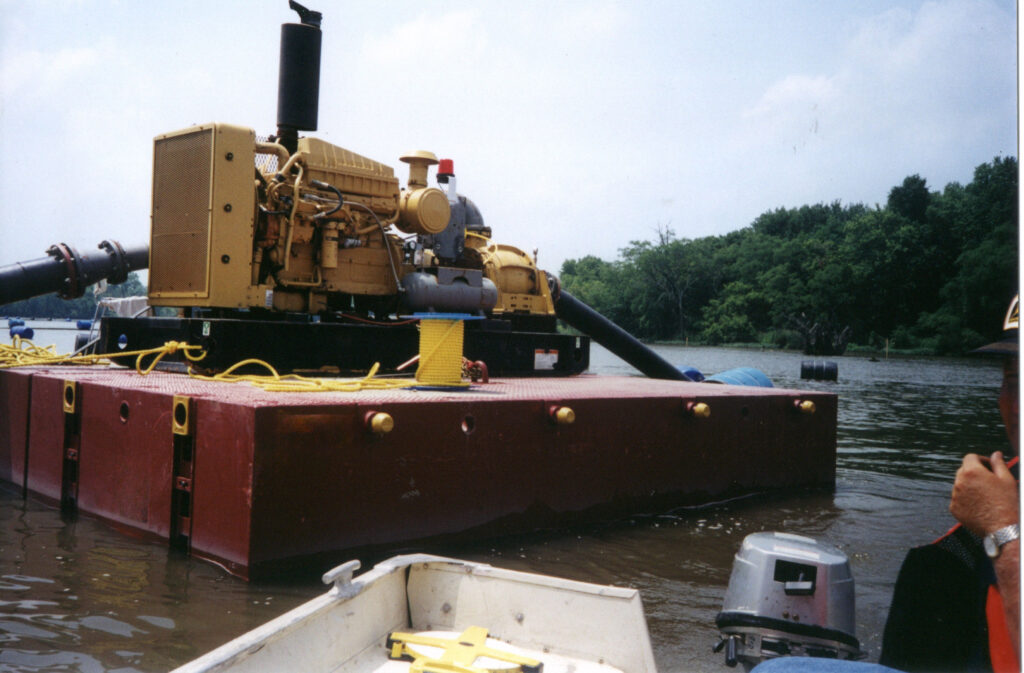
Step 5: Selecting Dredging Methods for Washington Waterways
Method selection directly affects efficiency, cost, and environmental impact.
Hydraulic Dredging Applications
Hydraulic dredging is often used in rivers, lakes, and environmentally sensitive areas. It enables controlled sediment removal and supports beneficial reuse options. This approach is frequently suited to Washington waterways with soft sediments and long transport distances.
Mechanical Dredging Applications
Mechanical dredging is commonly used in ports, marinas, and confined urban sites. It offers precision in tight spaces and is effective for heavier material. Choosing between methods is a key part of dredging project planning.
Matching Equipment to Local Conditions
Washington Dredge Contractors evaluates sediment type, access constraints, disposal methods, and environmental requirements before recommending equipment. This tailored approach supports efficient dredging management and predictable outcomes.
Step 6: Developing a Washington-Specific Dredging Management Plan
A strong plan brings together scheduling, coordination, and logistics into a single framework.
Scheduling Around Environmental and Weather Windows
Weather patterns, tides, and seasonal restrictions all influence when dredging can occur. In many Washington waterways, work windows are limited. Careful scheduling ensures compliance without sacrificing productivity.
Stakeholder Coordination
Ports, municipalities, shoreline owners, and utilities often have a stake in the project area. Coordinating with these groups reduces conflicts and supports smooth execution.
Sediment Handling and Disposal Planning
Washington regulations place strict requirements on sediment transport, dewatering, and disposal. Planning these elements is essential for effective dredging management.
Step 7: Budgeting and Cost Control for Dredging Projects in Washington
Budgeting for dredging in Washington is rarely straightforward. Costs are shaped by geography, access limitations, environmental requirements, and the handling required once material leaves the water. Without careful forecasting, even well-intended projects can encounter financial strain.
Understanding Washington-Specific Cost Drivers
Mobilization costs alone can vary widely. Coastal and Puget Sound projects often require marine-based equipment, barges, and specialized support vessels. Inland lake and river projects may appear simpler on the surface, but can involve long travel distances, limited launch points, or restricted staging areas. These differences make early planning for dredging projects essential for realistic budgeting.
Environmental monitoring is another major factor. Many Washington projects require ongoing water quality testing, biological observation, and detailed reporting. These are not optional line items. They must be built into the budget from the start to avoid last-minute cost increases.
Disposal logistics also play a significant role. Whether material is reused, dewatered on-site, or transported to an approved location, each option carries different cost implications. Washington Dredge Contractors evaluates these variables early, allowing clients to make informed decisions that align with both budget and regulatory expectations.
Preventing Cost Escalation During Execution
Unexpected scope changes are one of the most common causes of budget overruns. In Washington, these changes often stem from incomplete site data or underestimated permitting requirements. Thorough dredging project planning minimizes these risks by addressing uncertainties before work begins.
By identifying constraints early and sequencing work efficiently, Washington Dredge Contractors helps clients maintain cost control without sacrificing compliance or quality.
Step 8: Environmental Protection and Compliance Monitoring
Environmental responsibility is deeply embedded in dredging work throughout Washington. Projects that overlook this reality often face delays, enforcement actions, or public opposition.
Managing Turbidity and Sediment Movement
Turbidity control is a daily concern on many Washington sites. Fine sediments, tidal influence, and flowing water can quickly spread disturbed material if not properly managed. Control measures are selected based on site conditions and adjusted as work progresses.
Effective dredging management treats environmental protection as an active process, not a static checklist. Continuous monitoring allows crews to respond quickly to changing conditions, whether caused by weather shifts or unexpected sediment behavior.
Protecting Aquatic Life and Water Quality
Washington waterways support a wide range of species, many of which are protected or closely monitored. Work timing, equipment selection, and operational practices are all influenced by these considerations.
By integrating environmental requirements directly into dredging project planning, Washington Dredge Contractors ensures that protection measures are practical and enforceable on-site. This proactive approach reduces the risk of work stoppages and supports long-term waterway health.
Integrating Oversight into Daily Operations
Environmental compliance is most effective when it is part of daily decision-making. Rather than treating monitoring as a separate function, it is woven into production tracking and crew coordination. This integrated model strengthens overall dredging management and builds trust with regulators and stakeholders.
Step 9: Project Execution and On-Site Dredging Management
Once work begins, planning gives way to execution. This phase demands constant attention, clear communication, and the ability to adapt without losing momentum.
Mobilization in Active and Populated Areas
Many Washington dredging sites are located near ports, marinas, residential areas, or commercial shorelines. Mobilization must account for public access, vessel traffic, and safety requirements. Decisions made during the dredging project planning directly affect how smoothly this phase unfolds.
Washington Dredge Contractors places strong emphasis on staging efficiency and coordination with local authorities. This preparation helps avoid disruptions and keeps projects on schedule.
Monitoring Progress and Performance
Real-time monitoring allows crews to track production rates, verify depths, and ensure environmental controls are functioning as intended. This data-driven approach supports informed adjustments rather than reactive decisions.
Effective dredging management relies on accurate field data. When conditions change, experienced teams can modify sequencing or methods while staying within approved parameters.
Adapting to Site-Specific Challenges
Unexpected debris, variable sediments, or weather events are common in Washington. Adaptive management strategies enable projects to proceed without compromising safety or compliance. This flexibility is a direct result of thorough dredging project planning combined with local experience.
Step 10: Post-Dredging Review and Long-Term Maintenance Planning
A dredging project is not truly complete when equipment leaves the site. The final phase focuses on verification, documentation, and future planning.
Final Inspections and Regulatory Closeout
Post-dredging surveys confirm that target depths and project goals have been achieved. Regulatory agencies often require detailed reporting to close out permits. Completing this process accurately protects clients from future compliance issues.
Washington Dredge Contractors manages this phase with the same level of attention as execution, ensuring a smooth transition from active work to project completion.
Measuring Project Success
Comparing outcomes against original objectives provides valuable insight. Was navigation improved as planned? Were flood risks reduced? Did environmental goals align with expectations? Evaluating these questions strengthens future dredging project planning efforts.
Planning for Ongoing Maintenance
Sediment accumulation does not stop after one project. Many Washington waterways require recurring maintenance to protect infrastructure and maintain access. Establishing a long-term strategy reduces the need for emergency dredging and supports predictable budgeting.
Why Washington Dredge Contractors Is a Trusted Local Dredging Partner
Trust in dredging is earned through consistency, transparency, and results. Washington Dredge Contractors has built that trust by working within the realities of Washington’s regulatory and environmental landscape.
- Proven Experience Across Diverse Waterways
From Puget Sound harbors to inland lakes and major rivers, the team understands how conditions vary across the state. This experience informs better dredging project planning and more effective execution.
- Deep Understanding of Regional Requirements
Permitting, environmental oversight, and stakeholder coordination are not side tasks in Washington. They are central to every project. Washington Dredge Contractors brings a practical understanding of these requirements, reducing clients’ risk.
- Commitment to Responsible Dredging Management
Safety, efficiency, and compliance are treated as interconnected priorities. By maintaining clear communication and disciplined operations, the company delivers dependable dredging management from initial planning through final review.
Successful Dredging Projects Start with Local Planning Expertise
Successful dredging in Washington begins with informed planning. Each step, from defining goals to long-term maintenance, depends on understanding local conditions and regulatory expectations. Effective dredging project planning reduces risk, controls costs, and protects sensitive environments.
Choosing a contractor with Washington-specific experience makes a measurable difference. For organizations planning a dredging project in Washington, partnering with a trusted local expert is the first step toward a successful outcome. Washington Dredge Contractors brings that expertise to every project, offering reliable solutions shaped by real-world knowledge of Washington waterways.
Contact Washington Dredge Contractors to discuss your site conditions, regulatory requirements, and project goals. Our team will walk you through the planning process step by step and help you determine the most effective path forward for your dredging project in Washington.