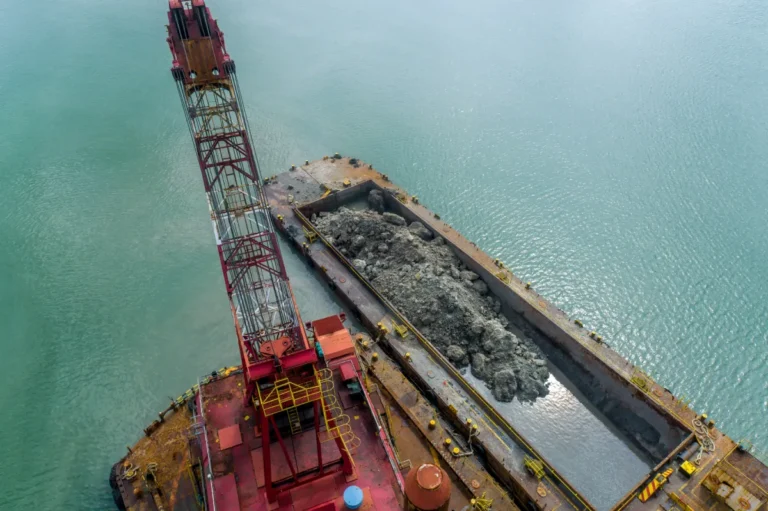


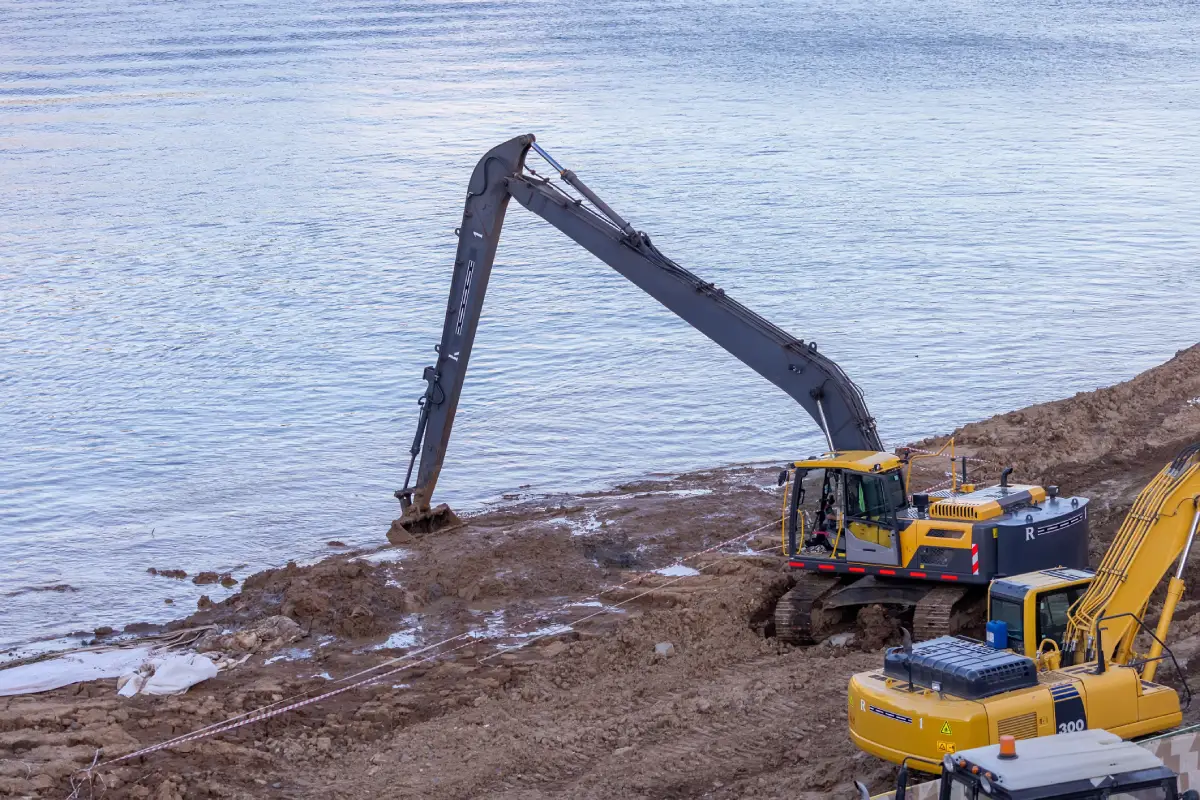
Sand dredging plays a vital role in maintaining waterways, supporting construction projects, and reclaiming land across coastal and inland regions. Modern sand dredging equipment combines high-capacity pumps, durable components, and precision controls to extract and transport sand from underwater sites efficiently. From compact submersible units to large cutter suction and hopper dredgers, each system is engineered to handle specific site conditions, material types, and operational requirements. Understanding the different types, applications, and key components of dredging sand equipment helps project planners and contractors make informed decisions for safer, faster, and more sustainable dredging operations.
What Is Sand Dredging Equipment?
Sand dredging equipment is specialized machinery designed to excavate, lift, and transport sand from underwater environments, such as rivers, ports, lakes, and offshore areas. Unlike general-purpose dredging systems used to remove silt or sludge, this equipment is engineered to handle coarse, abrasive materials efficiently. Its design focuses on high-throughput sand recovery, durability against wear, and stable operation under varying flow and depth conditions.
Modern dredging sand equipment typically features powerful suction systems and robust sand pumps capable of moving large volumes of sand-laden slurry over long discharge distances. Output capacities can range from a few hundred cubic meters per hour in compact submersible units to several thousand cubic meters per hour in large cutter suction or hopper dredgers. These systems are used across a wide range of industries—from construction aggregate recovery and land reclamation to river channel maintenance and coastal restoration.
Key components of a sand dredging setup often include:
- Cutter head or jet head for loosening compacted sand layers
- Suction line that lifts the slurry from the seabed or riverbed
- Sand pump for transferring the material through the system
- Discharge pipeline directing the slurry to disposal or reclamation areas
- Power unit (diesel, electric, or hydraulic) providing consistent energy for the operation
Each component works in coordination to ensure efficient material flow, reduce downtime, and maintain consistent production across dredging cycles. The effectiveness of a sand dredging operation largely depends on matching the right equipment type and pump configuration to the project’s site conditions and target material.
Major Types of Sand Dredging Equipment
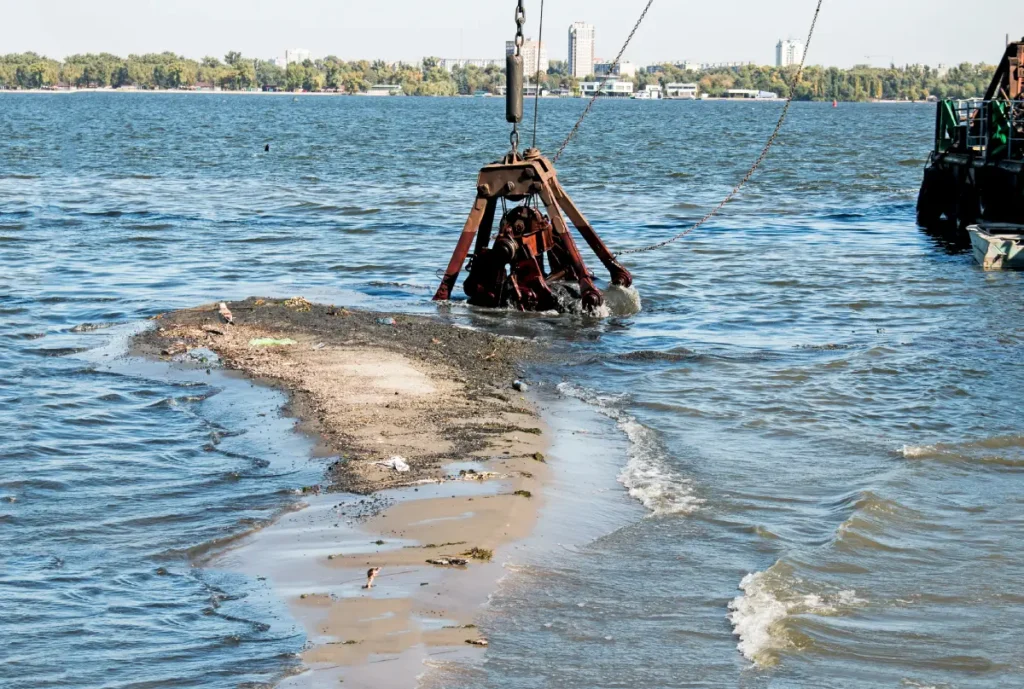
Sand dredging equipment is available in several configurations, each designed for specific site conditions and project requirements. Understanding the differences between these systems helps determine the most efficient and cost-effective setup for any sand removal or reclamation task.
| Type | Description | Ideal Application | Mobility | Typical Power Source |
| Cutter Suction Dredger | Uses a rotating cutter to loosen compacted sand | Riverbeds, ports | Stationary with anchors | Diesel or hydraulic |
| Jet Suction Dredger | Ejects water jets to lift loose sand | Shallow areas | Semi-mobile | Electric or diesel |
| Submersible Dredge Pump | Compact pump lowered directly into the sand layer | Confined or deep zones | Highly mobile | Electric/hydraulic |
| Amphibious Excavator | Excavator with sand pump attachment | Swamps, shorelines | Amphibious | Hydraulic |
| Trailer Suction Hopper Dredger | Large vessel storing dredged sand onboard | Offshore sand mining | Fully mobile | Diesel |
Each system has unique advantages based on water depth, material type, and desired production rate. Cutter suction and trailer suction dredgers are favored for high-volume, long-distance sand transport, while submersible and amphibious options provide flexibility for smaller or environmentally sensitive areas.
Selecting between these configurations depends on factors such as dredging depth, slurry density, pump head requirements, and sediment composition. Properly matching dredging sand equipment to these site variables improves operational efficiency and reduces wear on sand pumps and pipelines.
How Sand Dredging Equipment Works
Sand dredging equipment operates through a coordinated process of material loosening, suction, transport, and discharge. Each phase is designed to maintain consistent slurry flow and minimize power loss during sand transfer operations. The system’s efficiency depends on matching the pump size, suction depth, and discharge pipeline length to the site conditions and sand characteristics.
The basic working cycle includes:
- Material Loosening: The cutter head or jet head breaks up compacted sand layers, making them easier to suction.
- Suction Process: A vacuum is created within the suction line, drawing the sand-water mixture into the system.
- Pumping and Transport: High-capacity sand pumps move the slurry through discharge pipelines toward a designated placement or reclamation area.
- Deposition or Reuse: The discharged sand is either stored for construction aggregates, used in land reclamation, or redistributed for coastal reinforcement.
Several technical parameters influence operational efficiency:
- Suction head depth and the density of sand material
- Discharge distance and pipe diameter
- Pump head and flow rate capacity
- Power output of the hydraulic or diesel unit
In modern dredging systems, automation and monitoring tools further enhance control. Flow meters, pressure gauges, and GPS-based positioning systems allow operators to track slurry movement and optimize sand pump performance. This integration ensures uniform dredging depth and consistent productivity even in challenging underwater environments.

Core Components of Dredging Sand Equipment
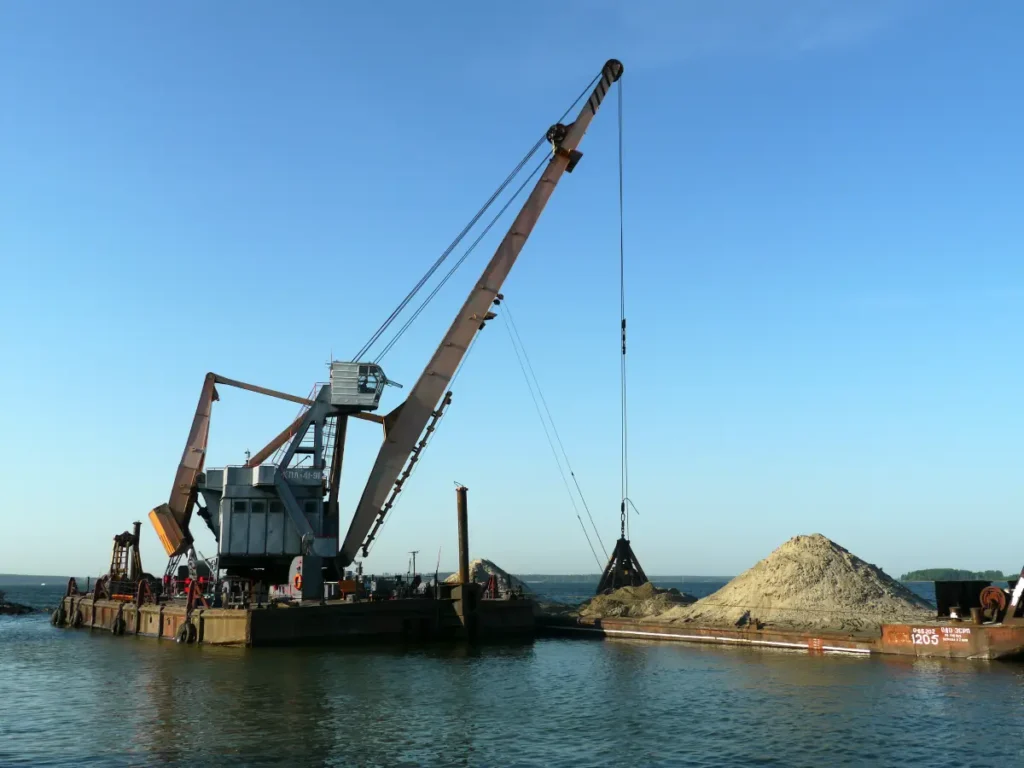
Every sand dredging system relies on a combination of mechanical, hydraulic, and control components that work together to achieve efficient sand extraction and transport. The durability and performance of each part determine the overall efficiency and longevity of the dredging operation.
Sand Pumps
The sand pump is the heart of any sand dredging equipment setup. It handles the movement of sand-laden slurry through the pipeline system. These pumps are built with wear-resistant materials such as high-chrome alloys to withstand continuous abrasion from coarse particles. Key factors affecting performance include impeller size, flow capacity, and discharge pressure.
Cutter or Jet Head
This component loosens and agitates sand deposits before suction. Cutter heads are ideal for compact or cohesive layers, while jet heads use pressurized water to lift free-flowing sand. Both designs enhance suction efficiency by increasing material mobility near the inlet zone.
Power Units
Power units supply energy to drive the sand pump, cutter, and other hydraulic systems. Depending on the type of dredger and its location, these can be diesel-, electric-, or hydraulic-driven. Reliable power delivery ensures stable suction performance and consistent output flow.
Pipeline System
The suction and discharge pipelines form the main transport channel for the sand-water mixture. They are typically made of steel or reinforced rubber hoses and can extend hundreds of meters depending on the discharge site. Properly designed pipelines reduce friction losses and prevent clogging during high-volume pumping.
Control and Monitoring Systems
Modern sand dredging equipment is equipped with advanced controls for precision and safety. GPS tracking systems guide dredging routes, while pressure sensors and flow meters provide real-time operational data. Automation in these systems helps operators maintain uniform dredging depth and prevent sand pump overload.
Each of these components must be carefully matched to the dredging environment and material type to achieve optimal performance. Efficient coordination among these elements allows for continuous sand recovery with minimal downtime or maintenance interruptions.
Applications of Sand Dredging Equipment
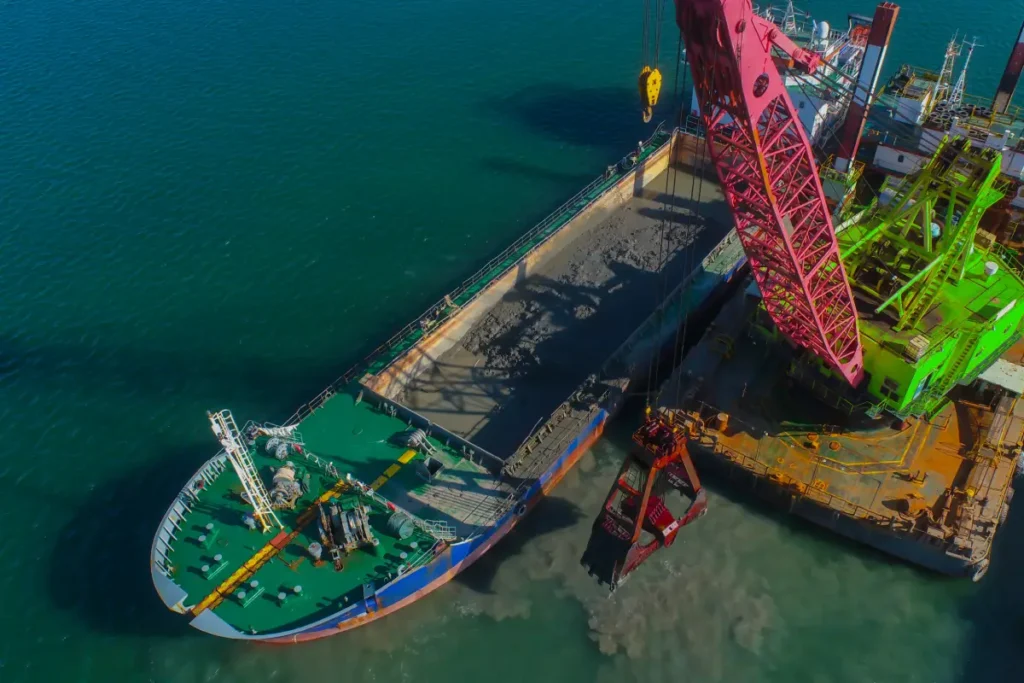
Sand dredging equipment plays a critical role in numerous industrial, environmental, and infrastructure projects where the controlled removal or relocation of sand is essential. Its versatility and scalability allow it to be used across both inland and marine environments, supporting a wide range of operational goals.
Coastal Nourishment and Beach Restoration
In coastal engineering, sand dredging equipment is used to replenish eroded beaches and reinforce shorelines. Dredged sand is pumped onto beaches to restore width, protect infrastructure, and improve resilience against storms and rising sea levels.
River Desiltation and Navigation Channel Maintenance
Rivers and ports often experience sediment buildup that restricts navigation. Dredging sand equipment removes excess deposits, maintaining safe water depths for cargo and transport vessels. This process also helps prevent flooding by improving flow capacity in river channels.
Construction Aggregate Recovery
Many construction projects rely on high-quality sand as a raw material. Dredging systems extract and transport sand from underwater deposits, supplying material for concrete, road base, and industrial uses without depending solely on land-based mines.
Land Reclamation and Industrial Fill Projects
Large-scale land reclamation and port development projects use sand dredging equipment to transfer massive quantities of sand for creating new land surfaces. The sand is often pumped over long distances using high-performance sand pumps and discharge pipelines.
Environmental and Industrial Applications
Sand removal can also serve environmental remediation efforts, such as cleaning contaminated riverbeds or maintaining ecological balance in reservoirs and wetlands. In industrial operations, dredging systems are used for lagoon cleaning, sediment management, and tailings pond maintenance.
By adapting equipment configurations to the site and material type, operators can achieve efficient sand transport, minimal turbidity, and reduced energy consumption. Whether for construction, reclamation, or maintenance, sand dredging equipment remains an essential part of sustainable resource and waterway management.
Choosing the Right Equipment for Sand Dredging Projects
Selecting the right sand dredging equipment is essential for achieving optimal performance, minimizing operational costs, and ensuring environmental compliance. The right combination of dredging sand equipment, sand pumps, and supporting systems depends on the material characteristics, site conditions, and project scope.
| Selection Factor | Why It Matters | Example Consideration |
| Material Type | Determines pump and cutter design | Fine sand vs. coarse gravel |
| Depth & Distance | Affects pump power and discharge pipeline length | Deepwater needs a higher head |
| Mobility Needs | Impacts setup time and fuel efficiency | Portable vs. fixed dredgers |
| Production Rate | Matches project scale and deadlines | 500–5000 m³/hr |
| Environmental Limits | Defines sediment control methods | Turbidity thresholds |
Additional parameters, such as soil composition, water current velocity, and the distance to the disposal site, also influence the equipment setup. For example, long-distance pumping operations benefit from booster stations and high-efficiency sand pumps, while shallow projects may rely on compact jet suction dredgers for better maneuverability.
Before mobilizing any dredging system, conducting a geotechnical site assessment helps determine the density, grain size, and compactness of the sand layer. These insights allow operators to select pumps, pipelines, and power units that balance efficiency and wear resistance. Properly matched dredging sand equipment not only enhances production but also extends component life and reduces overall maintenance costs.
Maintenance and Operational Best Practices
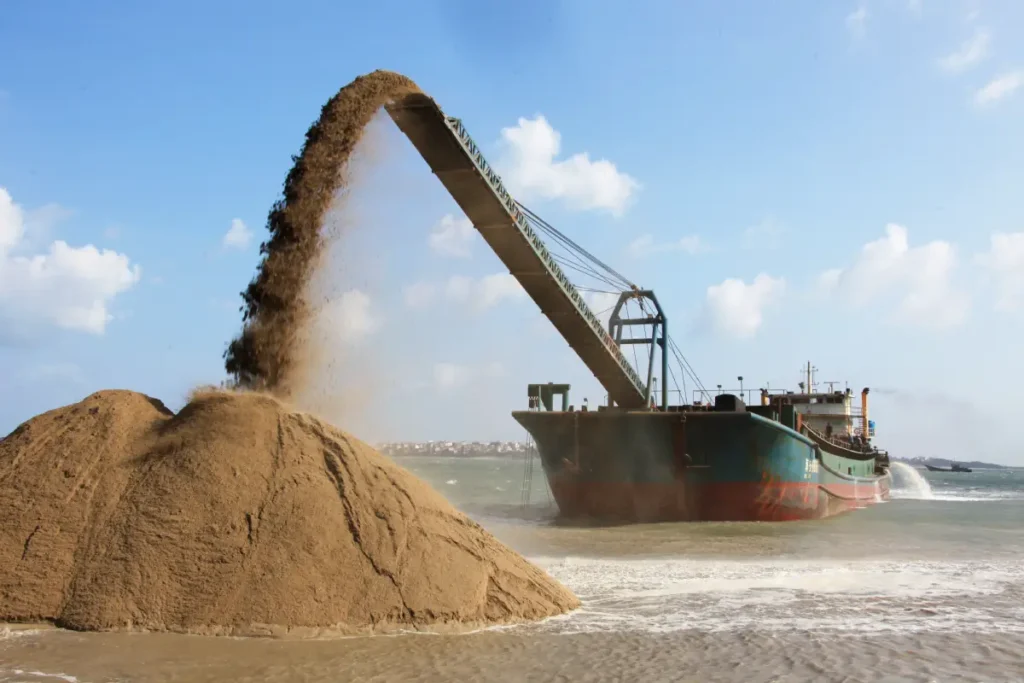
Maintaining sand dredging equipment in peak condition is critical to ensuring consistent performance, safety, and long-term reliability. The abrasive nature of sand makes wear prevention and timely servicing essential for both mechanical and hydraulic systems. Regular maintenance of dredging sand equipment and sand pumps helps prevent downtime, reduce repair costs, and sustain optimal slurry flow during operations.
Routine Inspection and Cleaning
Before and after each dredging cycle, all major components should be inspected for signs of wear, corrosion, or blockage. The cutter or jet head, suction inlet, and discharge pipeline are particularly vulnerable to sand buildup and should be flushed with clean water after operation.
Pump and Impeller Maintenance
Sand pumps and impellers experience the most abrasion during dredging. Regular monitoring of clearances, seals, and liners prevents efficiency loss and ensures balanced pressure distribution. Using wear-resistant alloys or ceramic coatings can significantly extend the lifespan of these components.
Lubrication and Hydraulic System Care
Hydraulic and mechanical parts such as winches, joints, and spud systems require scheduled lubrication to prevent friction-related failures. Hydraulic fluid quality should also be checked periodically, as contamination from fine sand particles can damage valves and motors.
Monitoring and Preventive Maintenance
Modern dredging sand equipment often integrates digital monitoring tools to track operating pressure, pump speed, and slurry density in real time. These systems support predictive maintenance, allowing operators to address potential faults before they cause shutdowns.
Suggested Maintenance Intervals
- Visual inspection: Daily
- Pump and impeller check: Weekly
- Hydraulic filter and seal inspection: Biweekly
- Full system servicing: Monthly
Following these maintenance practices ensures smooth operation, consistent production, and a longer service life for sand dredging systems. A disciplined maintenance program not only enhances safety but also maximizes the return on investment for high-value dredging assets.
Advances in Sand Dredging Technology
Recent advancements in sand dredging equipment have transformed how sand extraction and transport are performed. Modern systems now combine automation, precision control, and sustainability to improve productivity while reducing environmental and operational impacts. These innovations are reshaping the dredging industry across coastal, inland, and industrial applications.
Automation and Remote Monitoring
Smart control systems now enable operators to monitor dredging depth, slurry flow rate, and pump performance in real time. GPS-guided dredging and sonar-based positioning tools improve accuracy, allowing precise excavation of sand layers without over-dredging. Remote monitoring also minimizes manual intervention, reducing operational risk and fuel consumption.
Wear-Resistant and Energy-Efficient Sand Pumps
Modern sand pumps are designed with enhanced impeller geometries, high-chrome materials, and replaceable liners to withstand abrasive sand. Variable speed drives and optimized hydraulic systems help regulate flow while conserving energy, extending pump life, and improving efficiency.
Electric and Hybrid Power Units
To address stricter emission standards, many dredging systems now utilize electric or hybrid power units. These configurations offer reduced noise levels, lower carbon output, and improved fuel economy, making them suitable for urban and environmentally sensitive operations.
Data Integration and Predictive Maintenance
Dredging sand equipment is increasingly linked with cloud-based platforms for performance tracking and maintenance scheduling. Predictive analytics detect early signs of wear or imbalance, enabling planned servicing rather than reactive downtime. This integration ensures consistent output and safer long-term operation.
Sustainable Dredging Practices
Newer systems are designed with minimal turbidity discharge, better sediment control, and improved material separation efficiency. These advancements align dredging operations with environmental regulations while maintaining high production rates and material recovery.
The ongoing evolution of sand dredging technology continues to enhance precision, durability, and cost efficiency. Operators equipped with these modern systems can achieve higher production while requiring less maintenance and leaving a smaller environmental footprint.
Conclusion: Building Efficient Dredging Operations
Efficient sand dredging depends on choosing the right equipment, maintaining its components, and integrating modern technologies that enhance accuracy and reduce wear. With continuous advancements in automation, pump design, and environmental control, today’s sand dredging equipment is more capable and sustainable than ever before. At WA Dredge Contractors, we provide comprehensive dredging solutions backed by technical expertise and reliable equipment to meet the needs of any sand removal or reclamation project. Connect with us to explore how our team can support your next dredging operation with precision and efficiency.