


Washington Dredge Contractors play a central role in protecting the state’s shorelines, rivers, and critical waterways from the increasing threats of erosion. With Washington’s diverse geography, including the Puget Sound, the Columbia River Basin, the Spokane River, and the intricate coastal wetlands along the Pacific Coast, erosion control has become one of the most important environmental and infrastructure priorities. As climate patterns shift, storm surges intensify, and river flows become more unpredictable, communities across the state rely heavily on specialists who understand how to manage sediment, rebuild natural features, and create long-term stabilization systems.
This blog explores the practical techniques, regional challenges, and innovative strategies used in Washington, while highlighting how Washington Dredge Contractors support municipalities, ports, and private landowners with advanced coastal erosion control solutions and high-quality riverbank restoration services tailored for local conditions.
Understanding the Erosion Challenges in Washington
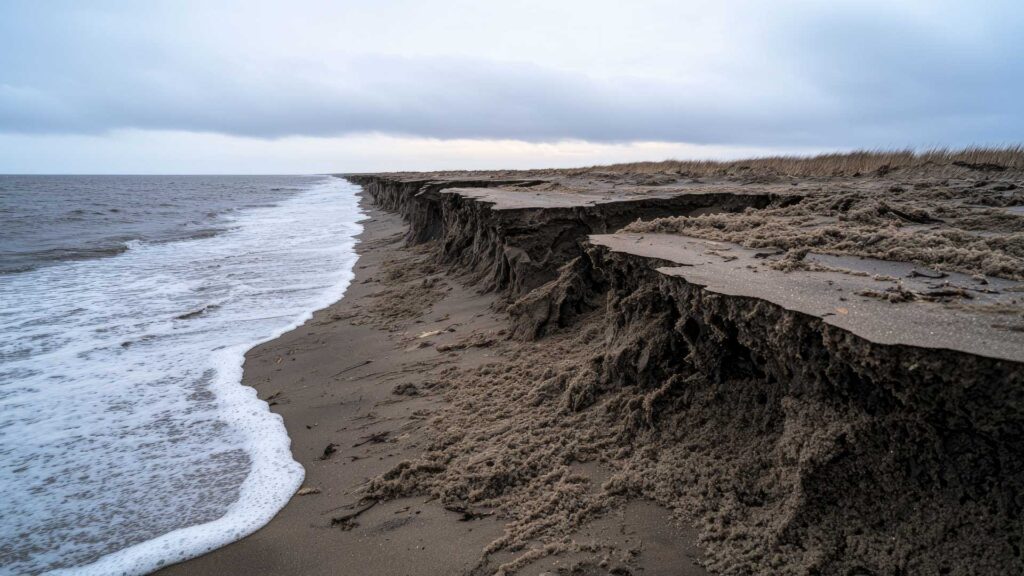
Washington’s coastal and river systems are dynamic. They shape the state’s landscape while presenting constant management challenges for engineers, contractors, and environmental planners.
Coastal Erosion in the Pacific Northwest
Along Washington’s Pacific Coast, communities such as Westport, Ocean Shores, Long Beach, and Tokeland have experienced persistent ocean-side land loss. The combination of winter storms, El Niño cycles, rising sea levels, and shifting sediment patterns has accelerated shoreline retreat.
The Puget Sound region faces its own unique challenges. Bluffs near Edmonds, Whidbey Island, and Bainbridge Island frequently experience slides that threaten homes, highways, and utilities. These highly sensitive areas require carefully designed coastal erosion control solutions that balance engineering strength with environmental compliance.
Riverbank Instability Across the State
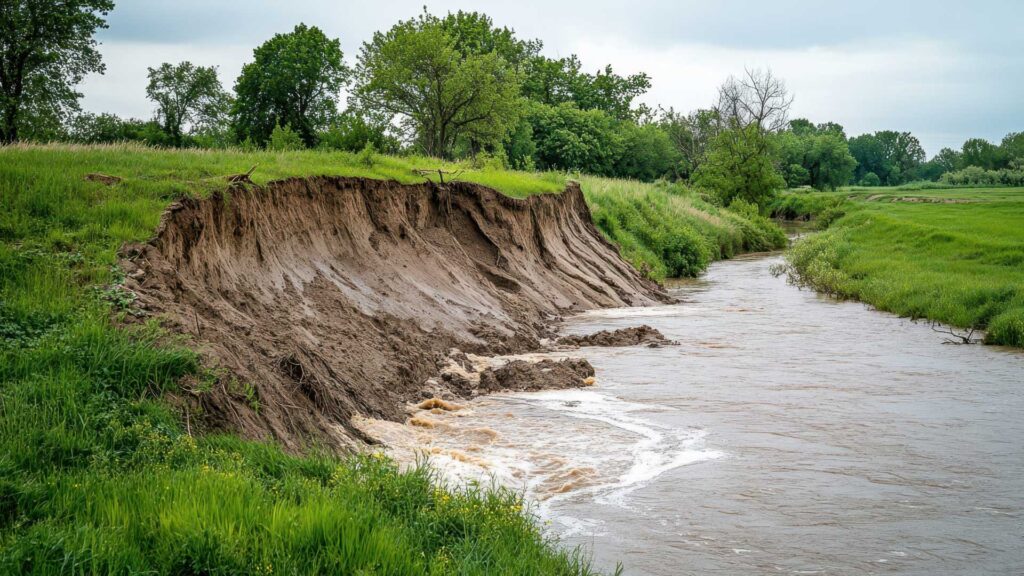
Washington has more than 70,000 miles of rivers and streams. Major waterways like the Columbia River, Yakima River, Snohomish River, and Skagit River are vital for transportation, irrigation, power generation, and salmon habitat.
However, changes in snowmelt timing, increased storm intensity, and high seasonal flows are reshaping riverbanks at an accelerating pace. Landowners and local governments increasingly seek riverbank restoration services to prevent property loss, stabilize levees, and protect public infrastructure.
Here is a table summarizing erosion drivers across Washington:
| Region | Primary Erosion Drivers |
| Pacific Coastline | Wave action, storm surges, and longshore drift |
| Puget Sound | Bluff instability, groundwater pressure, tidal influences |
| Columbia River Basin | High discharge, bank undercutting, vessel wakes |
| Inland Rivers | Rapid snowmelt, seasonal storms, and channel migration |
Across all these environments, Washington Dredge Contractors provides essential stabilization, sediment control, and shoreline protection strategies tailored to the state’s geography.
How Washington Dredge Contractors Address Coastal and Riverbank Erosion
Sediment Management as a Foundation
Sediment imbalance is a major factor behind both riverbank and coastal erosion. Too much sediment creates navigational hazards, while too little sediment allows currents and waves to erode banks.
Washington Dredge Contractors use targeted dredging to restore natural flow patterns and optimize sediment placement. In many cases, dredged sediments are repurposed for beneficial purposes, such as rebuilding eroded beaches or supporting marsh restoration.
Beneficial Reuse of Dredged Material
The Port of Seattle, Port of Everett, and Columbia River ports frequently collaborate with dredging teams to transform dredged material into coastal buffers. This practice reduces disposal costs and strengthens natural habitats.

Beneficial reuse supports long-term coastal erosion control solutions by:
- Rebuilding natural dunes
- Reinforcing beaches
- Restoring tidal wetlands
- Creating fish and wildlife habitats
This integrated approach is increasingly important along the Puget Sound shorelines, where structural measures alone cannot resolve ongoing erosion.
Coastal Erosion Control Solutions Tailored to Washington
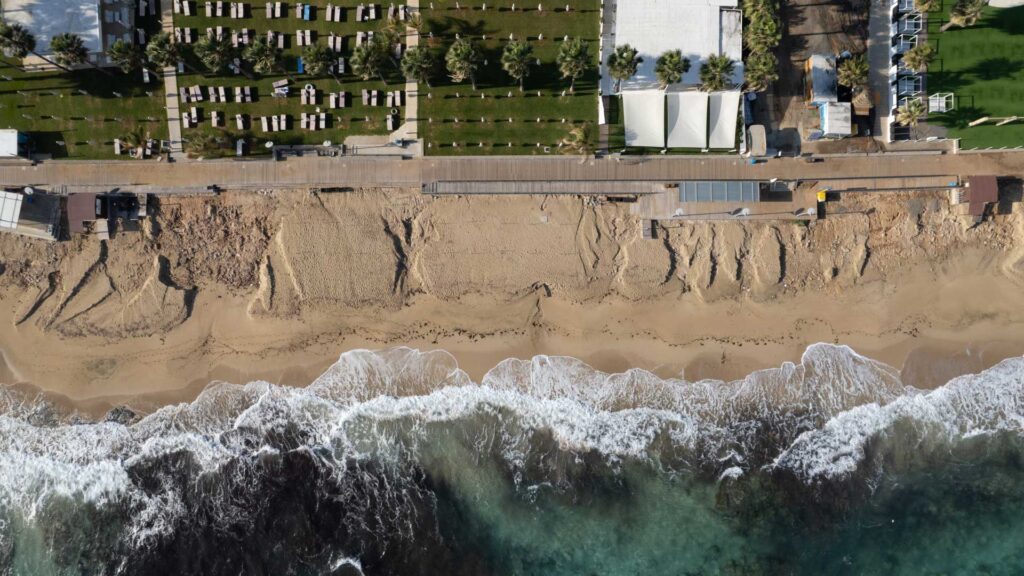
The Washington coast and Puget Sound regions require specialized stabilization designs that respect local ecosystems, geotechnical conditions, and regulatory frameworks.
Soft Shoreline Stabilization
Soft stabilization blends engineered protection with natural materials. This approach is especially popular around the Puget Sound, where ecological preservation is essential.
Soft shoreline methods may include:
- Beach nourishment
- Driftwood and large woody debris placement
- Coir logs and fiber rolls
- Native vegetation plantings
These approaches help dissipate wave energy while maintaining the natural character of the shoreline. Many homeowners in Kitsap, Jefferson, and Island Counties favor soft approaches because they blend visually with the environment.
Washington Dredge Contractors often combine soft methods with strategic sediment placement to provide comprehensive, sustainable, cost-effective coastal erosion control solutions.
Engineered Hard Stabilization
Hard-armoring systems are required in high-energy coastal zones or areas where infrastructure protection is the top priority.
Common solutions include:
- Rock revetments
- Sheet piling
- Gabion walls
- Breakwaters and groins
These systems are frequently used along the outer Washington coast and in vulnerable sections of the Columbia River.
Hybrid Systems for Long-Term Performance
Hybrid stabilization blends soft and hard elements to create a balanced system. For example, a rock toe might stabilize a bluff while native vegetation provides surface-level erosion control.
Hybrid strategies are highly effective for:
- Steep shoreline bluffs in the Puget Sound
- Marina and harbor protection
- Areas with active wave energy and sensitive ecosystems
With advanced modeling and environmental planning, Washington Dredge Contractors ensure these systems provide durable coastal erosion control solutions without sacrificing natural processes.
Riverbank Restoration Services Across Washington
Riverbank stabilization plays an essential role in safeguarding farmland, roadways, levees, and habitats throughout the state.
Bioengineering Techniques
Bioengineering combines natural materials with engineering principles to strengthen riverbanks.
Examples include:
- Willow staking
- Brush mattresses
- Coir fabric
- Native riparian plantings
These methods help address erosion while improving water quality and fish habitat. They are widely used along the Snoqualmie, Chehalis, and Yakima Rivers.
Washington Dredge Contractors incorporates bioengineering into many of their riverbank restoration services to meet regulatory requirements from agencies such as the Department of Ecology, WDFW, and local conservation districts.
Engineered Riverbank Protection
In high-velocity river systems such as the Columbia and Skagit Rivers, engineered armoring is often necessary. Solutions include:
- Rock riprap
- Bendway weirs
- Toe armoring
- Rootwad revetments
These structures redirect flow, prevent undercutting, and stabilize the bank during flood events.
Channel Realignment and Sediment Rebalancing
Over time, natural river migration can endanger properties or create hazardous conditions. Contractors may perform targeted dredging or sediment grading to realign the river channel and reduce erosive forces.
Such interventions are critical near communities like Pasco, Kennewick, Wenatchee, and Okanogan, where rivers frequently change shape after heavy snowmelt seasons.
Through these innovative riverbank restoration services, Washington Dredge Contractors help maintain safe waterways while protecting vital infrastructure.
Environmental Considerations Unique to Washington
Salmon and Steelhead Habitat Protection
Washington’s rivers, estuaries, and coastal systems support threatened and endangered salmon and steelhead populations. Because these species are central to the region’s ecological health and cultural identity, any erosion-control or dredging effort must be aligned with strict habitat-protection standards. Washington dredge contractors carefully follow seasonal fish windows, manage sediment quality, and implement turbidity control measures to prevent disruption to spawning grounds and migration pathways. In-water work is planned with precision to avoid adverse ecological impacts.
Cultural and Tribal Coordination
Washington is home to many sovereign tribal nations, each with treaty-protected rights to fish, hunt, and practice culture. Meaningful collaboration with tribes such as the Yakama Nation, Swinomish Tribe, Quinault Indian Nation, and others is a core component of responsible project planning. Contractors work closely with tribal resource managers to respect cultural sites, protect fisheries, and ensure transparency throughout the project.
Regulatory Framework
State and federal oversight is extensive in Washington. Common requirements include:
• Hydraulic Project Approval (HPA)
• USACE Section 404/10 permits
• Shoreline Master Program compliance
• SEPA and NEPA review
Experienced teams navigate these regulations efficiently, ensuring every project meets environmental obligations. Washington Dredge Contractors consistently provide compliant, sustainable coastal erosion control and riverbank restoration services throughout the state.
Why Washington Dredge Contractors Are Essential for Local Resilience
Rapid Response to Storm Damage
Washington’s coastal and river systems face intense seasonal pressures, especially during winter storms along the Pacific Coast and heavy rainfall events across the state. Severe erosion, bank failures, and infrastructure threats can emerge in a matter of days. Local dredging teams provide rapid, on-the-ground mobilization to stabilize hazardous areas, reinforce weakened shorelines, and prevent further damage to nearby communities and critical assets. Their proximity and familiarity with local emergency protocols make them indispensable during high-risk periods.
Long-Term Infrastructure Protection
Washington’s economy depends heavily on maritime and waterfront infrastructure. Ports, marinas, ferry terminals, navigation channels, and coastal highways require ongoing sediment management and erosion control to remain safe and fully operational. By performing routine maintenance dredging, shoreline reinforcement, and sediment realignment, contractors help reduce downtime, extend the lifespan of essential facilities, and support steady commercial and transportation activity year-round. Their work directly contributes to the long-term resilience of Washington’s coastal and river-based industries.
Local Knowledge and Adaptation
Each region of Washington presents unique environmental dynamics. The sheltered basins of Puget Sound differ significantly from the tidal conditions of Grays Harbor, the sediment-heavy flows of the Skagit River, or the steep, fast-moving currents of the Columbia River Gorge. Washington Dredge Contractors draws on decades of regional experience to develop customized erosion control measures and riverbank restoration strategies that fit the local hydrology, geology, and community priorities. This deep understanding ensures solutions that are both effective and sustainable across Washington’s diverse landscapes.
Case Study Highlights from Across Washington
Puget Sound Bluff Stabilization
Steep coastal bluffs in regions such as Mukilteo, North Seattle, and Bainbridge Island are highly vulnerable to erosion caused by wave action, groundwater movement, and seasonal storms. These bluffs often support critical transportation corridors, utility lines, and residential infrastructure. Washington dredge contractors implement hybrid stabilization systems that combine engineered rock toe protection with native vegetation, soil bioengineering, and controlled surface and subsurface drainage. This integrated approach reduces slope failure risk, slows long-term erosion, and enhances overall shoreline stability while preserving the natural character of Puget Sound.
Columbia River Bank Protection
The Columbia River carries tremendous hydrologic energy, particularly in sections influenced by hydroelectric dam releases and high-discharge events. Ports, levees, and industrial waterfronts along the river require durable, engineered solutions to withstand the impacts of vessel wakes and strong currents. Armored revetments, bendway weirs, and engineered bank reshaping have proven highly effective in redirecting flow energy, reducing erosion, and safeguarding navigation and flood-control infrastructure. These interventions highlight the importance of specialized design knowledge tailored to one of the most dynamic rivers in the Pacific Northwest.
Coastal Community Protection in Grays Harbor
Grays Harbor communities face persistent coastal erosion driven by tides, storm surge, and sediment imbalances. To bolster community resilience, dredged material sourced from routine channel maintenance is strategically reused for beach nourishment, dune reinforcement, and barrier restoration. This sustainable practice strengthens natural defenses, protects homes and businesses, and supports long-term coastal ecosystem health.
Together, these real-world examples demonstrate how Washington Dredge Contractors apply science-based, region-specific strategies to protect vital landscapes and infrastructure across the state.
The Future of Erosion Management in Washington
Climate Adaptation and Resilience Planning
Washington is preparing for long-term climate impacts, such as:
- Higher sea levels
- More intense storm surges
- Stronger rain events
- Earlier snowmelt seasons
These changes increase the demand for robust coastal erosion control solutions and expanded riverbank restoration services across the state.
Advancements in Technology
Contractors are using:
- Real-time hydrographic surveys
- GIS-based erosion modeling
- Non-invasive monitoring sensors
- Eco-friendly building materials
These tools improve design accuracy and reduce environmental risk.
Expanding Partnerships
Future projects will involve deeper collaboration between:
- Tribal nations
- Conservation districts
- Ports and harbors
- Municipal governments
- Environmental organizations
This partnership model ensures that Washington Dredge Contractors remain at the center of statewide resilience planning.
Washington Dredge Contractors: Protecting Shorelines, Rivers, and Communities
Coastal and riverbank erosion is a growing challenge across Washington, driven by natural forces, climate variability, and evolving land use patterns. From the shifting sands of the Pacific coastline to the dynamic river corridors of Eastern Washington, ongoing management is essential to protect communities, infrastructure, and ecosystems.
With deep technical expertise, regional knowledge, and a commitment to environmental stewardship, Washington Dredge Contractors provides the high-quality coastal erosion control solutions and specialized riverbank restoration services that Washington residents and industries rely on. Their work reinforces beaches, stabilizes bluffs, strengthens riverbanks, improves navigation, and preserves habitat across the state.
As climate pressures intensify, the role of these contractors becomes even more important. Their ability to combine innovative design, beneficial sediment reuse, advanced monitoring, and compliance with Washington’s stringent environmental standards ensures long-term resilience for coastal and river communities. Through these efforts, Washington Dredge Contractors continue to safeguard the landscapes that define the state’s identity and sustain its natural and economic vitality.